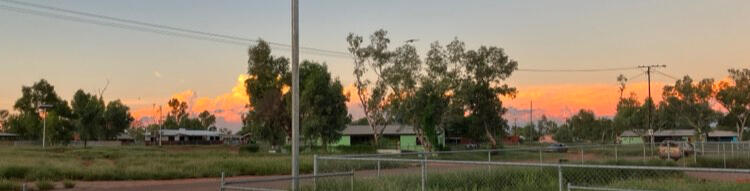
Remote Career Pathways
Remote Career Pathways strives to work with stakeholders providing careful data analysis to establish practical solutions, with a focus on creating real jobs that benefit communities.Lisa holds a Diploma in Mental Health Support and a Bachelor’s Degree in Counselling from Otago Polytechnic (New Zealand), as well as a Bachelor of Mechanical Engineering from Monash University. She has lived in Central Australia for nearly ten years and has worked across the social services sector in Alice Springs and on remote communities. This experience has given her a strong understanding of both the challenges and the opportunities for developing meaningful change.Before moving to Central Australia, Lisa worked in continuous improvement and lean systems, helping organisations work more effectively by reducing waste, improving services, and making better use of resources. She now applies this expertise to community development.If you’d like to learn more about this work, or explore how your service could be improved through practical, data-informed approaches, Remote Career Pathways can be contacted using the link below.
| Capacity Planning | Labour Planning |
| Value Stream Mapping | Productivity Improvement |
| Waste Reduction | Cost Savings |
| Root Cause analysis | Data analysis |
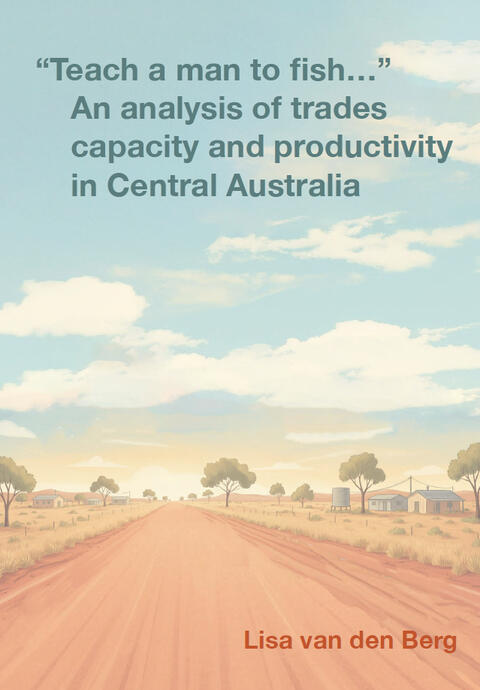
“Teach a man to fish…”
An analysis of trades capacity and productivity in Central Australia
Creating trade apprentiships opportunities for community members, on communities, will be crucial to providing sustainable maintenance and trade services on remote communities.
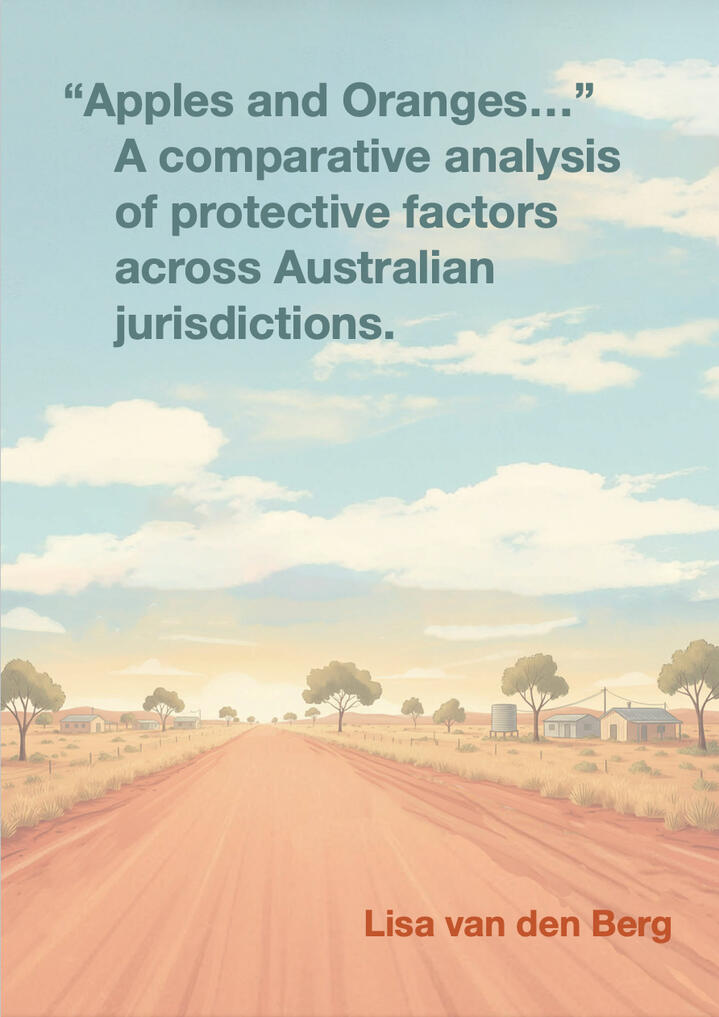
"Apples and Oranges..."
A comparative analysis of protective factors across Australian jurisdictions
A comparative analysis of protective factors such as culture, education and employment across the Australian states and territories.
ABN: 43 731 791 764
© 2026 - Remote Career Pathways